
Thoughts on Tarot
by Natalie | Queen of Arcana
Get Your Nose Out of My Tarot Reading
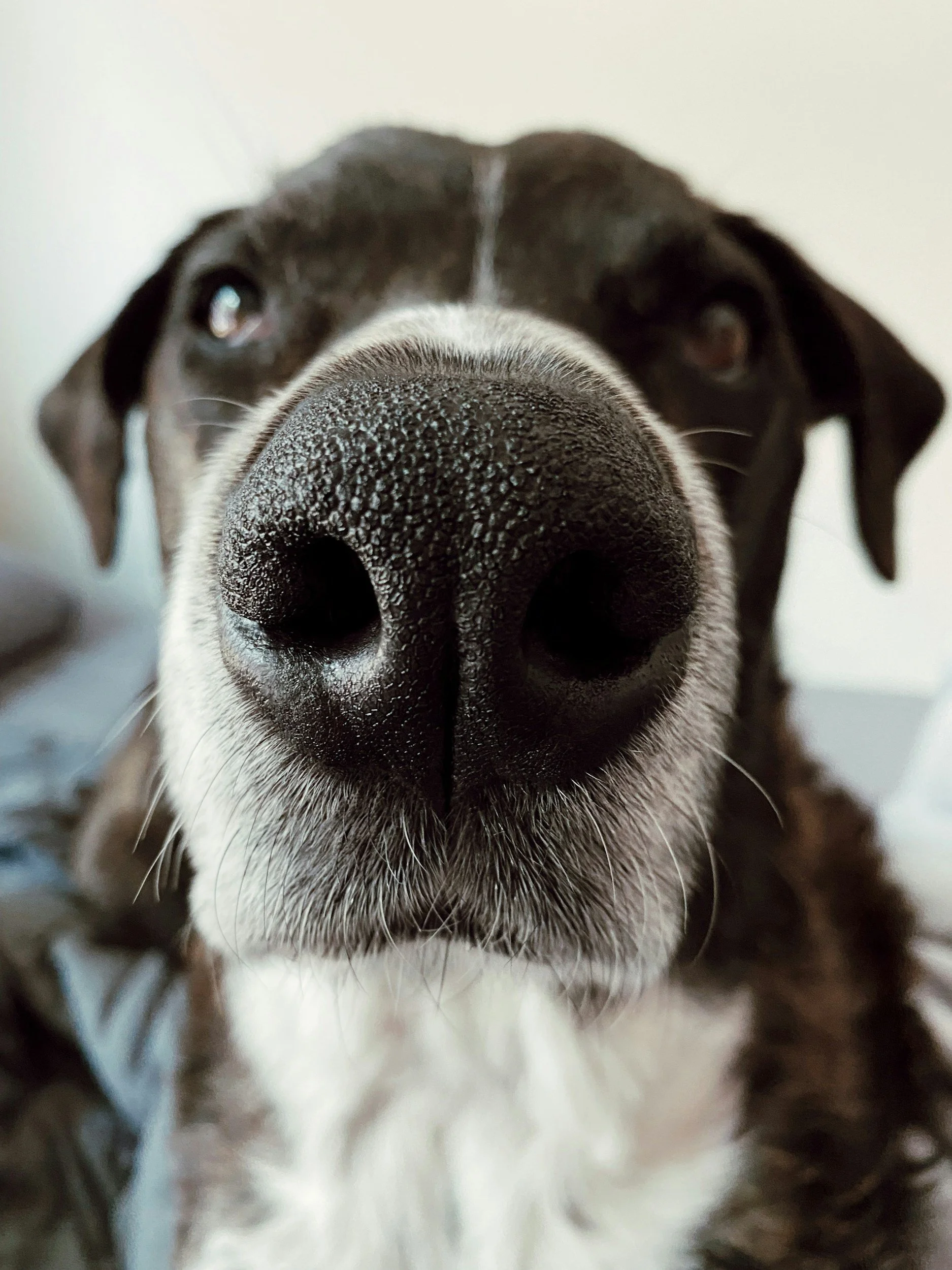
Something I’ve always felt very strongly about is that I don’t do ‘spying’ readings. What this means is, I won’t do a reading that pokes its nose into someone else’s business. I will read for my client, about my client - no one else. If someone wants to know whether their ex is in a relationship, or their sibling is happy in their marriage, or a loved one quit their job or got fired from it, they’re not going to receive that reading from me.
Unfortunately, though, I was recently reminded that this is a line that some tarot readers have no issue crossing…
Tarot Doesn't Give You Answers. It Helps You Find Them.
We often come to the tarot when we’re seeking answers. We’re lacking clarity, certainty or direction. We don’t know what to do or which way to go. We don’t know if the path we’re on is right for us. And so we consult the cards.
As you can see, there’s a sense of discomfort behind these intentions. A sense that, even if we don’t know where we’re going, we can’t stay here.
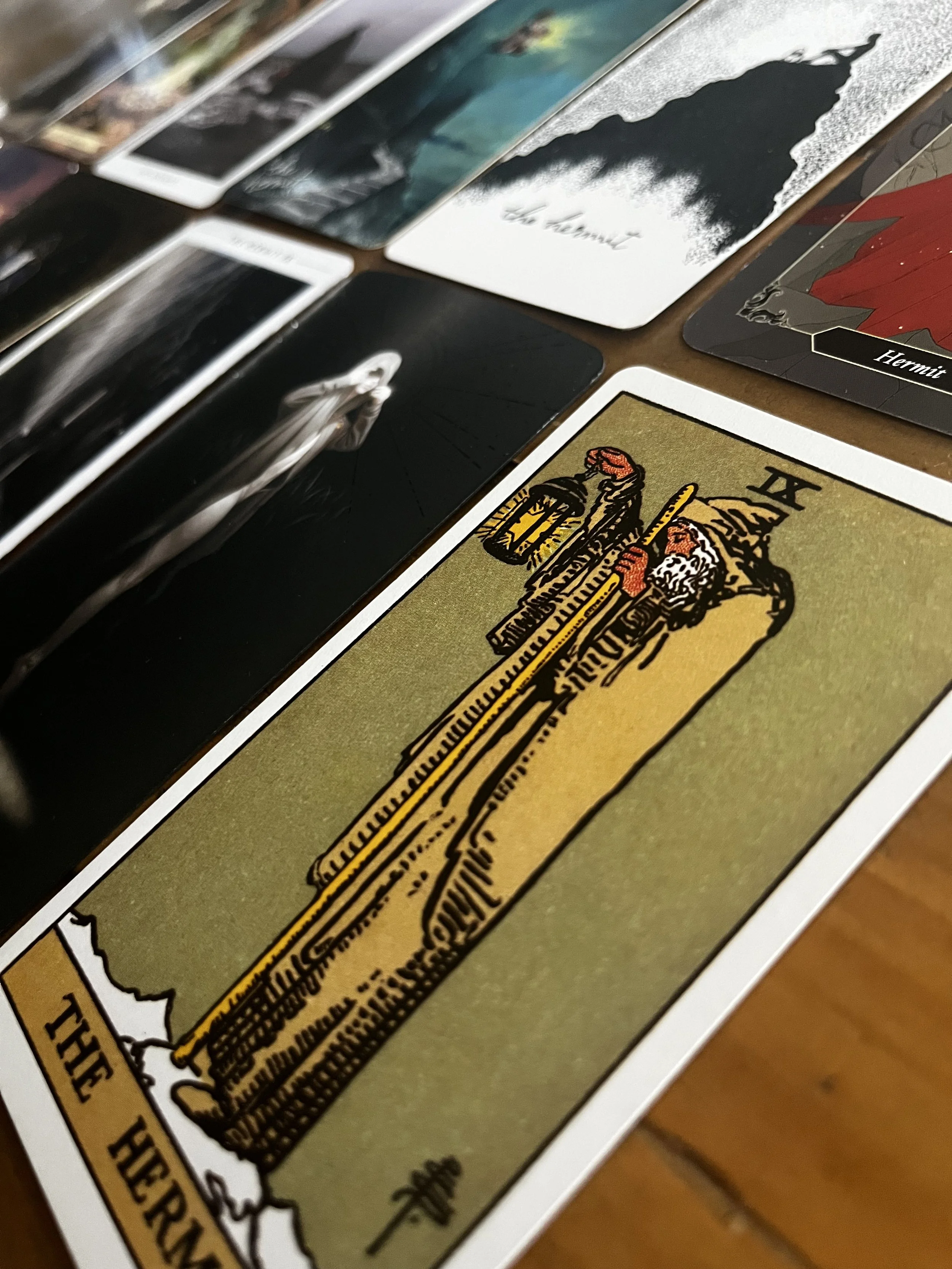
And that, my friends, is Hermit energy. The wise old man on his slow journey through the dark, with nothing but the glow of his lantern to guide his way. His movement is inspired by a deep-seated discomfort, even if he hasn’t pinpointed exactly why yet.
This isn’t the same sort of movement as that of The Chariot or the Knights - quick, intense and/or intentional movement, where we’re either bouncing off the walls or nothing can stop us. Rather, instead, this is a slow, deliberate, sometimes melancholy, exploration and excavation of the self, often resulting in outward changes.
This, in my opinion, is much closer to what a tarot reading actually is, than what most people believe it to be.
What Gender Really Means in Tarot
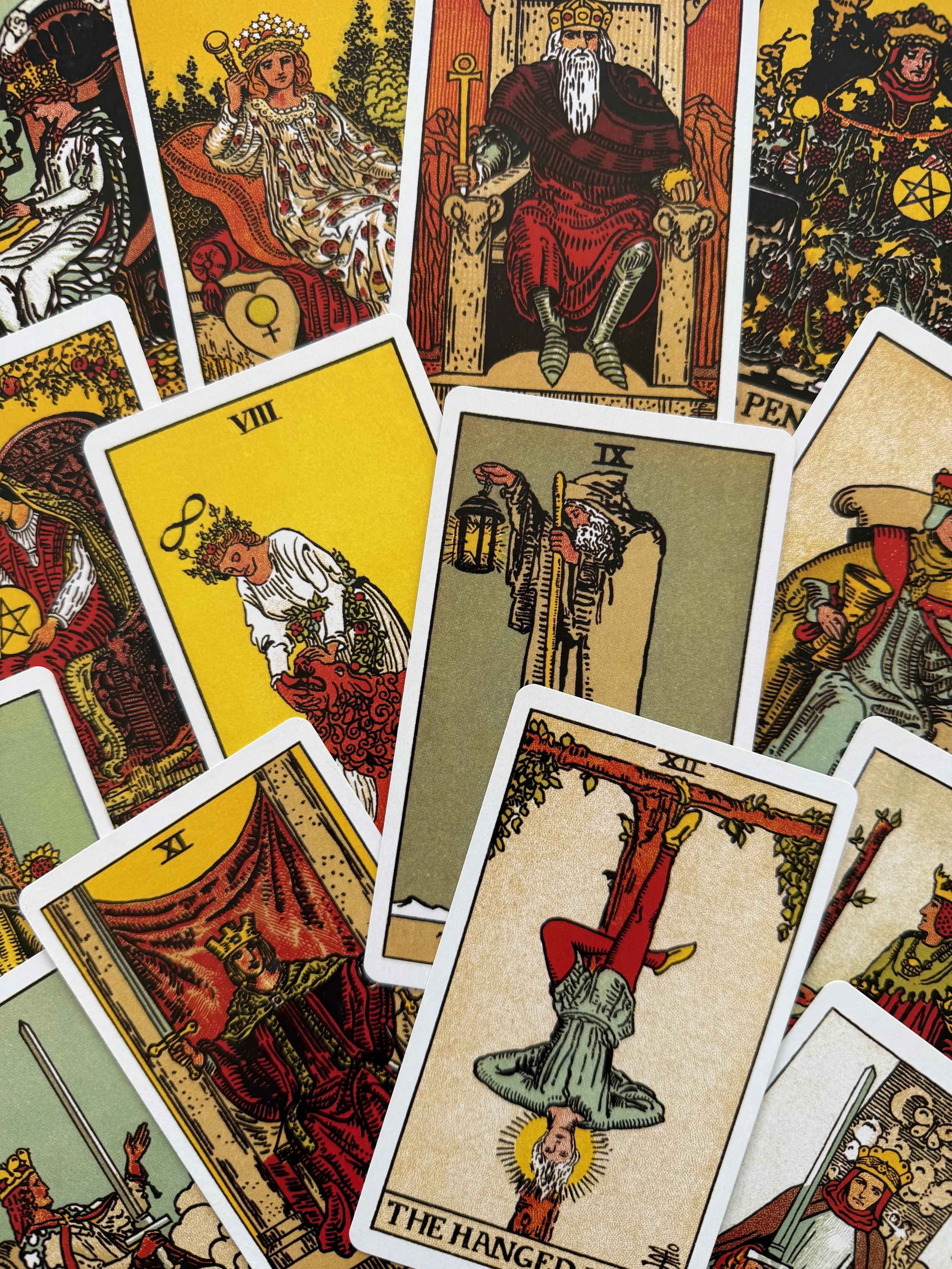
This is a topic that isn’t discussed nearly enough, and yet, is perhaps one of the most important. Of course, we can’t escape the fact that a lot of the tarot cards are gendered. Kings, Queens, Knights & Pages, even when modernised to the Mothers, Fathers, Sons & Daughters, have distinct gender attachments. Likewise, Major Arcana cards such as The High Priestess, The Empress, The Emperor, The Hanged Man - I could go on - are gendered figures.
The traditional Rider Waite Smith imagery, which most tarot decks are based upon, was originally illustrated in 1909 by Pamela Coleman Smith. Its imagery is not the most inclusive, which is unsurprising considering the context of the time it was created. Many people struggle to connect with it, understandably so, because the images don’t feel relatable and don’t ‘connect’ with them. Modern creators have adapted wording and created decks with more diverse representation, which is wonderful. But no matter how we change these cards visually, the gender associations with the traditional cards (and their traditional names) from The Empress to the King of Wands, can greatly impact the way we perceive them - and more importantly, whether we perceive their wisdom to be relevant to us at all.
And it’s easy to understand why. Historically, we interpreted these cards more literally than we do now. A King of Wands might have once been interpreted as a sign you’d marry a red-haired man, or The High Priestess might have indicated that an older woman was significant in your life. However, increasingly, tarot’s reputation is moving away from the deterministic predictor of fate, and more and more people are seeing the value in utilising the tarot as a facilitator of our personal growth. And so, a reader is now more likely to interpret these same cards as aspects of the individual they are reading for.
Because here’s the thing, all of us are capable of embodying and/or experiencing every single one of the 78 cards in the tarot deck…

Why Free Will Matters in a Tarot Reading
A lot of people get uneasy, or even scared, by the thought of a tarot reading, and the reason is often the same. They don’t want to hear that something bad is going to happen.
And I understand it. Tarot has a reputation for being this mystical determiner of fate - a predictive device that tells you that something will or won’t happen. Naturally, that puts a lot of pressure on the outcome of a tarot reading - your entire future hanging in the balance.
This perspective on tarot ignores something very important - our free will and agency to create our own future, as our life unfolds.
This is something I’m deeply passionate about as a tarot reader.
It makes me sad, and a little mad, when I hear past horror stories from nervous clients. No one should be afraid of getting a tarot reading. No one should be scared of living their life because of what they heard in a tarot reading. No one should leave a tarot reading riddled with self-doubt.
Because life is not something that happens to us. We are not passive observers. We are active participants in it.
So, if a tarot reading is not a declaration of our pre-determined fate, what is it?
More accurately, you could describe a tarot reading as a snapshot of the present moment…